Modeling metabolism: Evolution of toxicodynamic and toxicokinetic considerations. Adding a new kinetics layer
Computational Toxicology (2026)
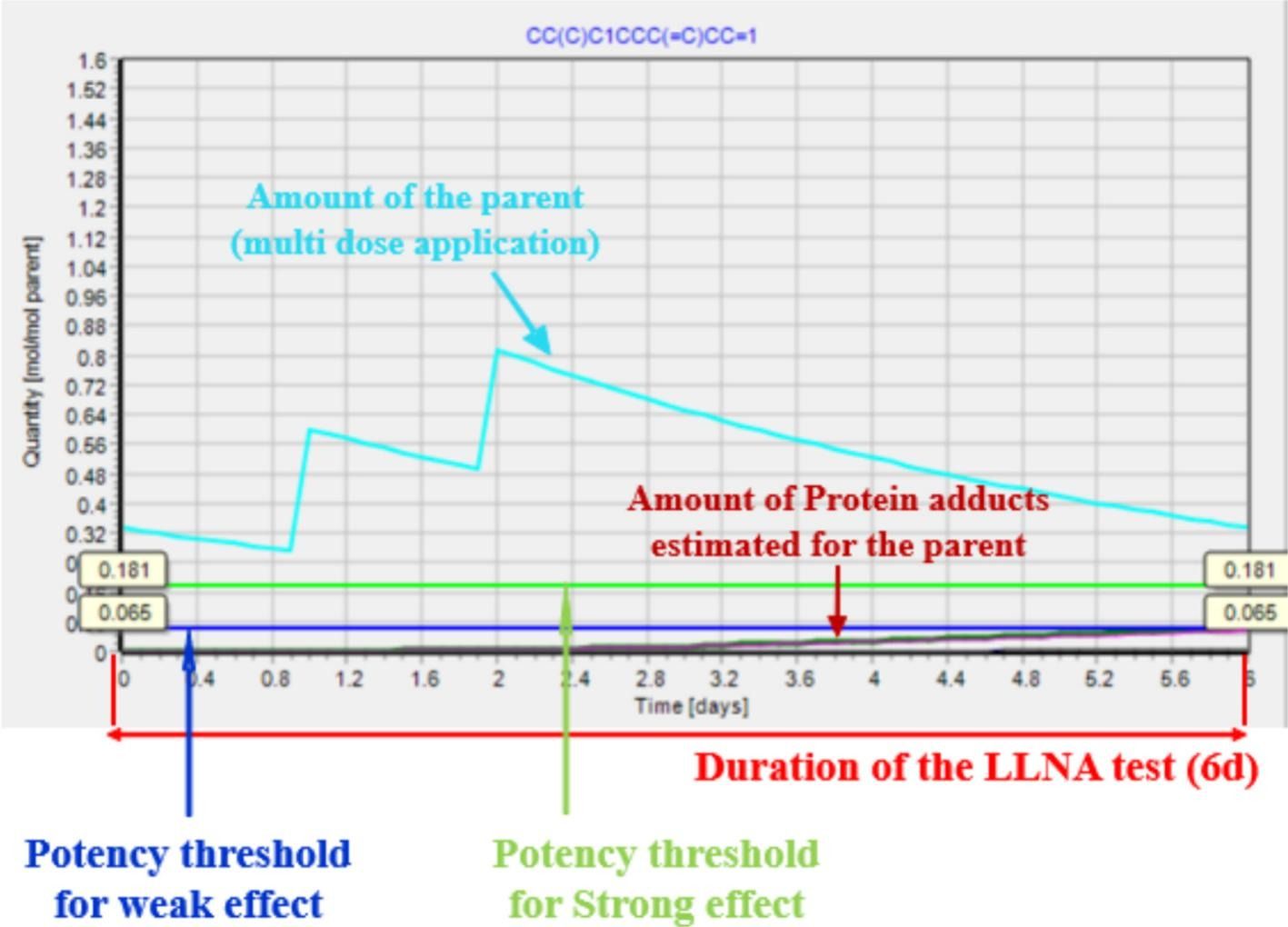
Modern metabolic simulation encompasses five key attributes that align with a typical data matrix, enabling accurate predictions of metabolism. These attributes are 1) the structural features of the parent molecule (S), 2) the metabolic transformations, both individual and grouped standard types (T), 3) the probability that a specific reaction will occur (P), especially if a particular structural fragment is present nearby, 4) reaction rate (R) (such as the depletion rate of a parent structure), and 5) the quantity of reaction products generated at a given time (Q). The thermodynamically informed phase of metabolism includes STP. Here, the previously described kinetic phase is expanded to include the R and Q attributes. Specifically, a proof-of-concept is described that shows how 2D, 3D, or local parameters can be aligned through regression analysis with hydroxylation and hydrolysis to explicitly simulate metabolic kinetics. In this approach, the amount of metabolite formed depends on the substrate reaction rate via chemical half-lives.